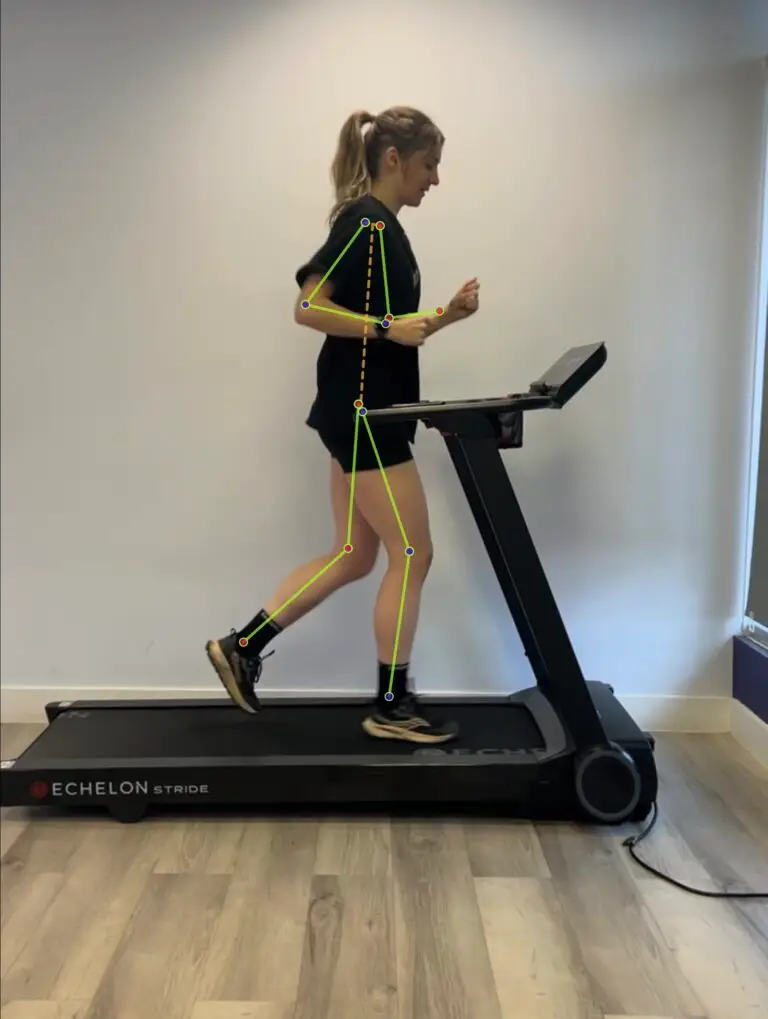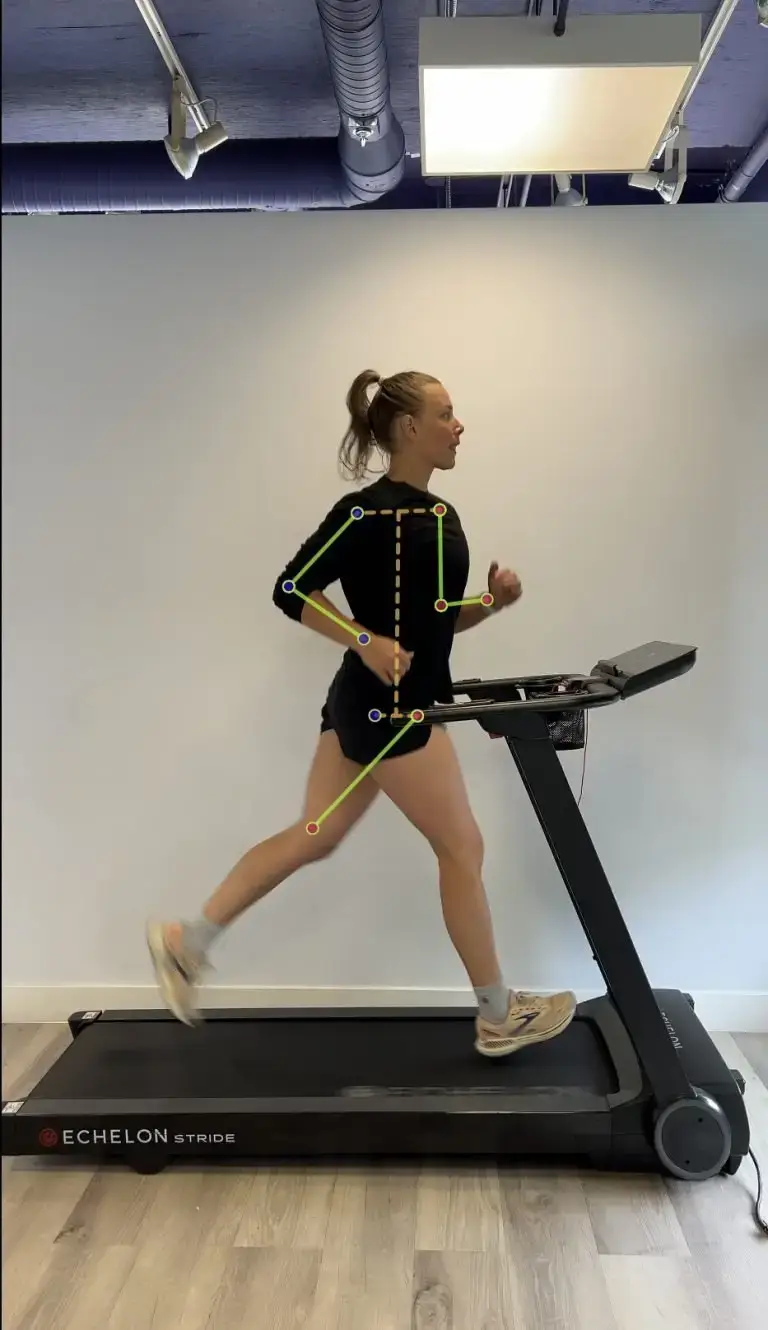
Most runners don’t book a running assessment because they’re trying to chase “perfect form.” They book because something feels off, or they want clarity before a small issue becomes a full blown injury.
A running assessment helps you understand how your gait looks, what matters, and what doesn’t. You may leave with a couple of simple cues or drills. You may also find that your mechanics look fine, and the bigger issue is training load, strength, shoes, or recovery.
In this post, we’ll cover:
- The best times to book a running assessment
- Common situations where it helps most
- When it’s better to wait or get medical input first
[Related: What Is A Running Assessment?]
When You Keep Getting the Same Niggle
If you’ve had the same issue pop up in the same spot, season after season, it’s worth looking at the pattern.
That might be medial shin pain that returns whenever mileage builds, Achilles or calf tightness after speed work, knee pain that shows up at the same point in a long run, or hip pain that flares when hills come back into the mix.
A running assessment can help work out whether the issue is coming from training load, strength, mobility, a technique pattern that is increasing stress on one area, or something else entirely such as footwear changes or poor recovery. You don’t need to wait until the pain is severe. Earlier is usually easier to address.
When You’re Returning to Running After an Injury
Returning to running is one of the most common times runners get stuck.
You feel “mostly better,” so you start running again. Then you have a flare up. You rest. You try again. It becomes a frustrating loop. Trust me when I say, been there, done that! My return to running after my most recent knee surgery was an absolute roller coaster of setbacks, so I can truly understand where you’re coming from if this is you right now.
Part of the problem is that your fitness often comes back faster than your tissues are ready for. As running coach Jay Johnson puts it, “Metabolic fitness precedes structural readiness.”
In plain English, your heart and lungs may be quite happy to let you run longer or harder before your muscles, tendons, and bones are ready to handle that load. You can feel fit enough to do more, while the tissues doing the actual work are still catching up. That’s where people often get into trouble.
A running assessment can help you return more confidently by looking at whether your mechanics change when you protect the injured side, whether there are compensations you haven’t noticed, and whether your return to run plan actually matches your current capacity.
The solution might be a small change in mechanics, or it might be a smarter progression. Either way, the goal is to get you back running consistently.
When You’re Building Mileage for a Race
Training blocks are where small issues often become big ones. If you’re about to start a build for a 10K, half marathon, or marathon, a running assessment can be useful before the volume ramps up.
This is a good time to look for things like overstriding, reduced pelvic control, or a trunk position that starts to fall apart under fatigue. It can also help highlight strength deficits or mobility restrictions that may become more obvious as training load increases.If everything looks solid, great. That’s a win too! You can build with more confidence and focus on training rather than constantly second guessing your form
When Your Easy Runs Don’t Feel Easy
This is a big one.
If your easy pace feels harder than it used to, or you finish recovery runs feeling drained, it’s a sign something isn’t lining up.
Sometimes it’s mechanics. Often, it’s load, recovery, strength, or mobility. That might look like too much intensity creeping into the week, poor sleep, higher life stress, low energy availability, poor fuelling, or coming back too quickly after a race or injury.
Strength and mobility matter here too. If your muscles are not doing their job well, or you are missing mobility somewhere important, easy runs can start to feel harder than they should. You may notice more heaviness, less control, or the sense that you are working harder just to hold your usual pace.
A running assessment gives you a chance to look at the bigger picture. Because I also include strength and mobility assessments, we can look at how you move, how your training week is structured, and whether strength deficits or mobility restrictions are contributing to what you’re feeling on the run.
That helps us work out whether the issue is your running mechanics, overall training load, strength, mobility, or a mix of those factors.
When You’re New to Running and Want to Start Well
If you are new to running, you don’t need to wait until you are injured to get support.
A running assessment early on can help you build good habits, pace easy runs properly, avoid common mistakes like overstriding or doing too much too soon, and set up strength work that supports your running.
You also get reassurance. If your stride looks fine, you can focus on consistency rather than constantly wondering if you’re doing it wrong.
When You Want a Performance Check In
Not everyone books a running assessment because something hurts.
You might also book because you want to improve efficiency, dial in pacing for a new distance, feel smoother on hills or faster sessions, or get a second set of eyes on your form before a key race.
This can be especially helpful if you feel like you have hit a plateau, or you are doing the work but not seeing the results you expected.
When You Should Not Book Just Yet
A running assessment is useful, but it’s not the right first step in every situation.
You should consider medical assessment first if you have:
- Acute swelling or bruising
- A sudden inability to bear weight
- Night pain that is worsening
- Signs of a stress fracture or tendon rupture
- Neurological symptoms like numbness or tingling down the leg
If you are unsure, start by seeing your medical provider. Once serious issues are ruled out, a running assessment can be a great next step for return to running and long-term prevention.
Key Takeaways
Booking a running assessment can be helpful when:
- You keep getting the same niggle
- You are returning from an injury
- You are building mileage for a race
- Your easy runs feel harder than they should
- You are new to running and want to start well
- You want a performance check in
You may leave with drills or cues, or with reassurance that your mechanics look solid and the bigger issue is training load, strength, or recovery. We don’t fix what isn’t broken.
Ready to Book a Running Assessment in Port Moody?
If you want clear feedback on your running and what to do next, you can book a running assessment with me in Port Moody. We’ll look at what’s happening, what may be driving it, and where to focus.
Want more running science that fits real life? Subscribe to my newsletter or follow me on Instagram.
Frequently Asked Questions:
A running assessment is a great idea if you keep getting the same injury, you are returning from an injury, your easy runs feel harder than they should, or you are starting a new training block and want to reduce injury risk.
You can. Some runners book for performance reasons, such as improving efficiency or checking pacing and mechanics before a key race. If your mechanics look solid, you may not need drills or changes. The value can be confirmation and a smarter plan.
It can help identify movement patterns and training factors that increase stress on certain tissues, and it can guide strength and load management so your training matches your capacity. It’s important to note that nothing can “prevent” an injury, it’s about reducing injury risk.
If you have red flags such as swelling, bruising, inability to bear weight, worsening night pain, or suspected stress fracture, it’s definitely best to get those dealt with first. Otherwise, a running assessment can be a helpful next step.