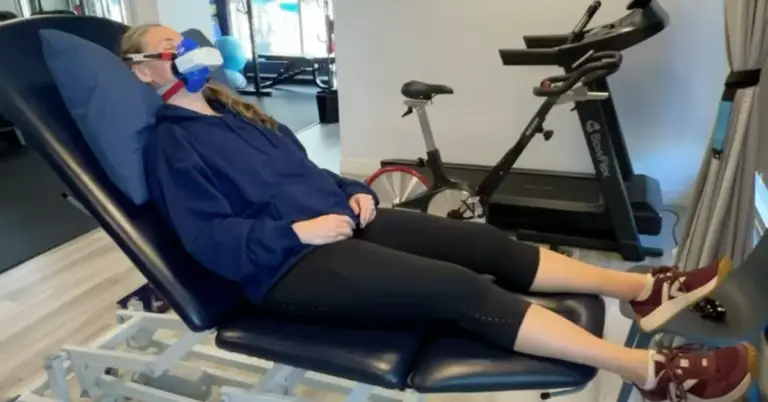
A VO₂ max test reports aerobic capacity, along with training zones, threshold information, and heart-rate responses that can be useful for planning training
In this post, we’ll break down what a VO₂ max test measures, why each part matters for runners, and how you can use the results in your own training.
Your VO₂ Max Score
The headline number from your test is your VO₂ max score: the maximum amount of oxygen your body can use during exercise.
- A higher VO₂ max usually means better endurance potential.
- A lower VO₂ max doesn’t necessarily mean you’re unfit. It shows where you are starting from and where you can improve.
Think of it like a “fitness ceiling.” Training helps you get closer to that ceiling, and testing lets you see how high it is right now.
Personalized Training Zones
Your test results break your performance into training zones, which are the intensities where your body responds in different ways. These zones tell you:
- Easy/recovery pace → where your body’s ability to transport oxygen to working muscles is improved, and your body utilizes more fat as a fuel source.
- Endurance pace → the effort that builds aerobic capacity without overtraining.
- Threshold pace → the sweet spot that boosts speed endurance.
- VO₂ max pace → high intensity work that pushes your limits.
No more copying generic pace charts or guessing what “easy” means. You’ll know your exact numbers for each zone.
[Related: Why should I get a VO₂ Max Test?]
How Efficiently Your Body Uses Oxygen
VO₂ max testing also reveals how your body uses oxygen at different intensities. This is your exercise efficiency.
Why does it matter?
- A more efficient runner uses less energy to run at the same pace.
- It also highlights how your body transitions from burning fat to carbohydrates as intensity rises.
This information helps fine-tune your nutrition and pacing strategies for long runs or races.
Clues About Recovery and Fatigue
Your test can also show how your body responds to increasing workload:
- Heart rate response: how quickly your HR rises with intensity.
- Breathing patterns: signs of fatigue or inefficient breathing.
- Lactate threshold (if included): the point where your body starts producing more lactate than it can clear.
These markers give insight into how well you’re adapting to training and whether you might need more recovery.
How to Use VO₂ Max Test Results in Training
A test is only as valuable as what you do with it. Here’s how to put the results into practice:
- Set your training paces. Use your zones for recovery runs, long runs, threshold workouts, and speed sessions.
- Adjust your training plan. If your zones show you’re working too hard (or not hard enough), make changes before burnout or plateaus hit.
- Check progress. Retest every 6-12 months to see how your zones shift and track fitness improvements.
- Plan race strategy. Use your threshold and endurance data to dial in pacing and fuelling for events.
Your report gives you the numbers, but you still need a plan for using them. This heart rate training guide walks through how to plug your zones into a weekly running structure.
What VO₂ Max Testing Can’t Tell You
A VO₂ max test is powerful, but it isn’t everything. It won’t tell you:
- Your mental toughness on race day
- Your nutrition habits
- Your sleep quantity and quality
- Whether you’re managing stress effectively
These factors all influence performance, too. The test is a tool, but doesn’t make up the whole picture.
Key Takeaways
A VO₂ max test tells you:
- Your VO₂ max score (a marker of aerobic fitness)
- Personalized training zones for easy, threshold, and high-intensity work
- How efficiently your body uses oxygen
- Clues about recovery and fatigue
Most importantly, it gives you the data you need to train smarter, decrease injury risk, avoid over or under-training, and see progress that’s actually measurable.
Ready to Learn What Your VO₂ Max Test Can Tell You?
If you’re ready to stop guessing and start training with precision, book your VO₂ max test in Port Moody today. You’ll leave with a clear plan for smarter, stronger running.
Want more practical training advice?
Subscribe to my newsletter or follow me on Instagram for weekly tips on running, strength, and recovery. No complex hacks, just science that works.
Frequently Asked Questions About VO₂ Max Test Results
Nope. Your report will explain your zones clearly, and your coach (hi, that’s me!) can break it down into actionable training.
Not always. Improvements slow over time, especially for experienced athletes. But your zones and efficiency can still change in ways that make you a stronger runner.
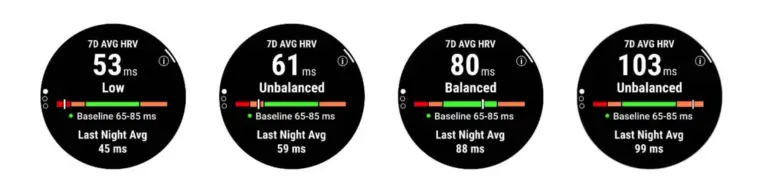
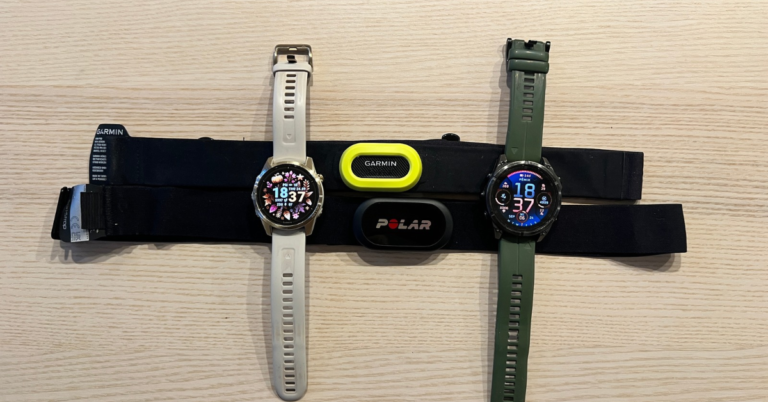
You can. But watches estimate VO₂ max. Lab testing is more accurate and provides detailed training zones, not just a number.