
Is Heel Striking Really That Bad? What Runners Need to Know
Heel striking gets blamed for injuries and inefficient running, but it’s not automatically bad. Here’s what runners should focus on instead.

Heel striking gets blamed for injuries and inefficient running, but it’s not automatically bad. Here’s what runners should focus on instead.

If stretching helps your plantar fasciitis temporarily but heel pain keeps coming back, calf strength, foot mechanics, and load management may be the missing pieces.

Shin splints don’t mean you need to stop running forever. Use this practical checklist to review training load, shoes, lower-leg strength, and when to get assessed.

Cushioned running shoes can feel protective, but more cushion doesn’t automatically mean fewer injuries. Learn how shoe choice affects load, comfort, and injury risk.
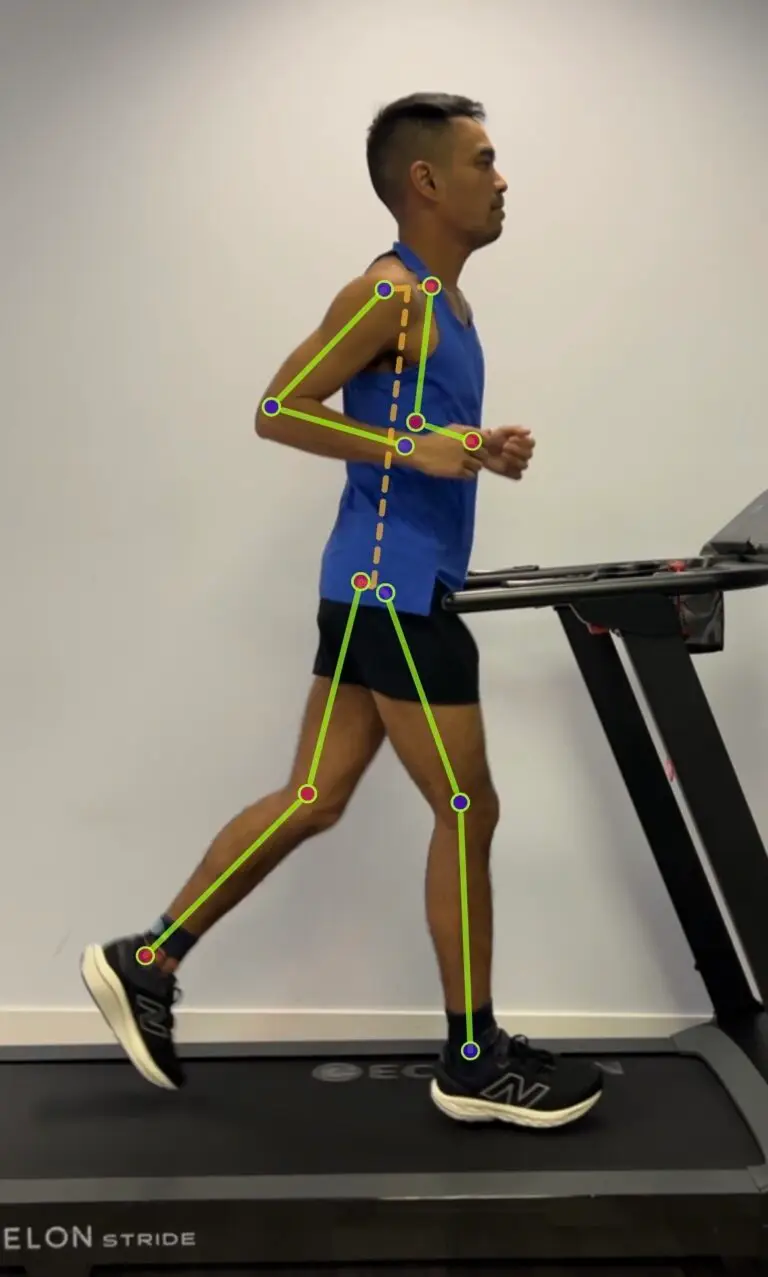
Video footage can show how you run, but it can’t explain everything. A complete running gait analysis looks at strength, mobility, training history, shoes, symptoms, and goals to create a more useful plan.
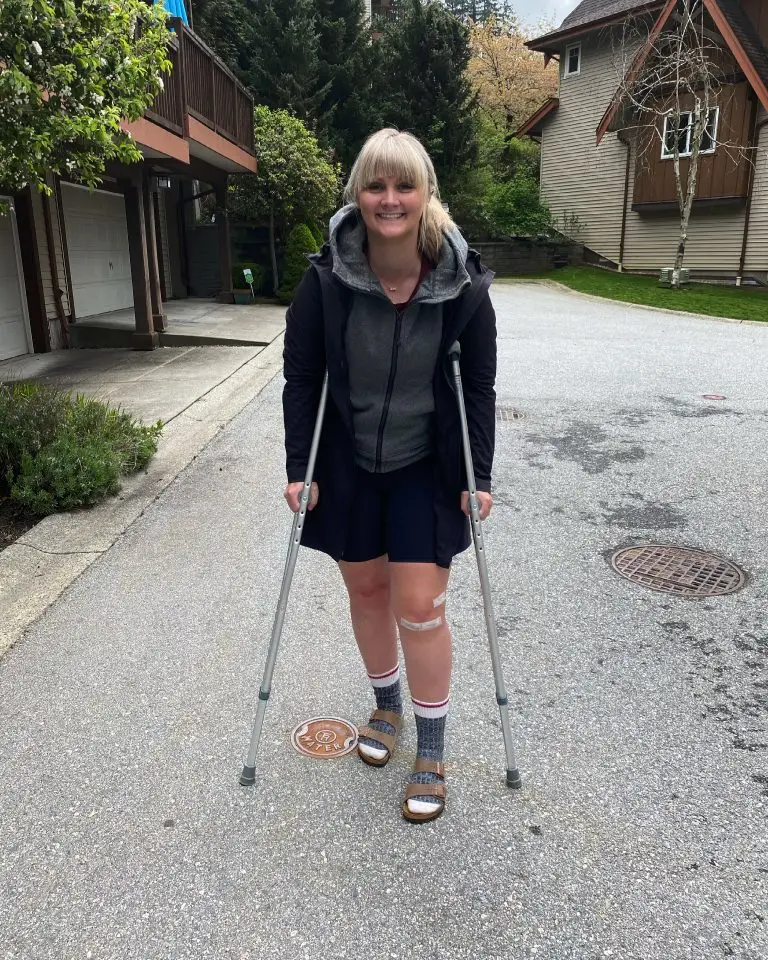
Runner’s knee is common, frustrating, and often linked to training load, strength, recovery, and running mechanics. This guide covers runner’s knee exercises, smart training modifications, and when to get a running assessment.

Training load for runners isn’t just about mileage or pace. Learn the difference between physiological stress & mechanical stress, & why both matter if you want to run stronger, faster, & with fewer injury setbacks.

Outer knee pain and endless foam rolling? This blog breaks down what actually helps IT band pain in runners, including training load, strength, running mechanics, and why the foam roller usually isn’t the fix.

Why runners get injured often comes down to load vs capacity. Learn what that means, why injuries often follow recent changes, and how to reduce your risk with smarter training.
Running form is one of the most overcomplicated topics in the running world. This blog breaks down common running form myths, including heel striking, cadence, pronation, and shoes, so runners can focus on what actually matters for performance and injury risk.
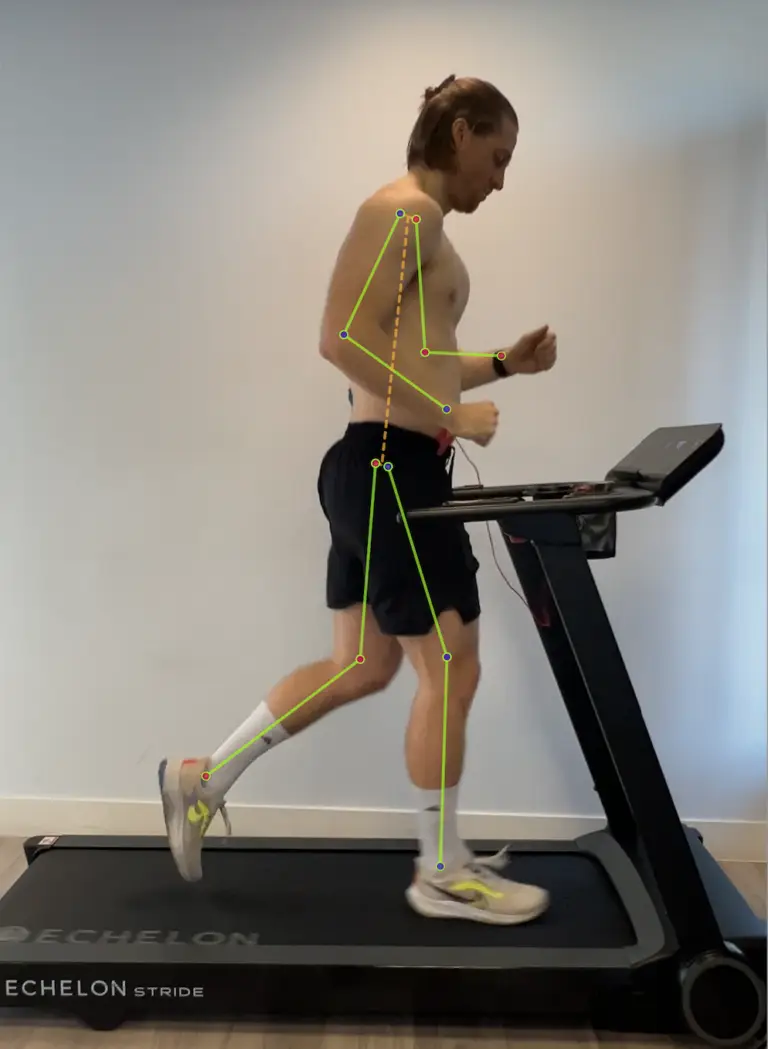
A running assessment looks at how you run, how your training is going, and what matters most for your goals. This blog explains what happens during the appointment, including treadmill analysis, strength and mobility testing, and what you’ll leave with.
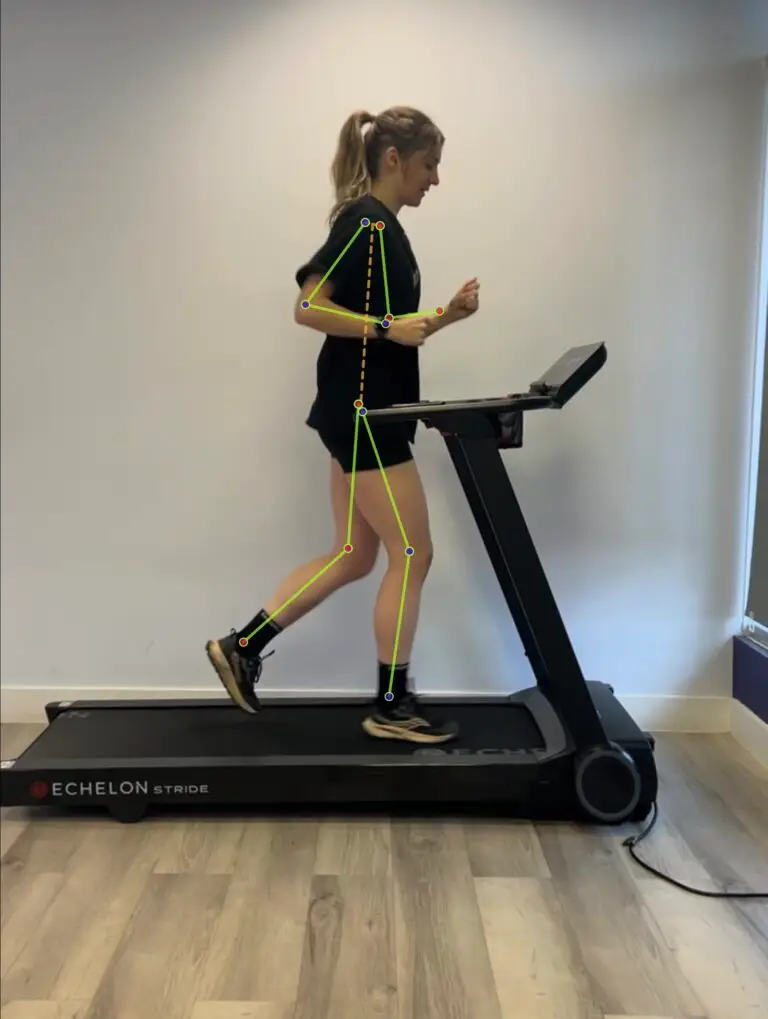
A running assessment can help when something feels off, when the same niggle keeps coming back, or when you want clarity before a small issue becomes a bigger one. This blog explains the best times to book one and when it may be better to seek medical input first.
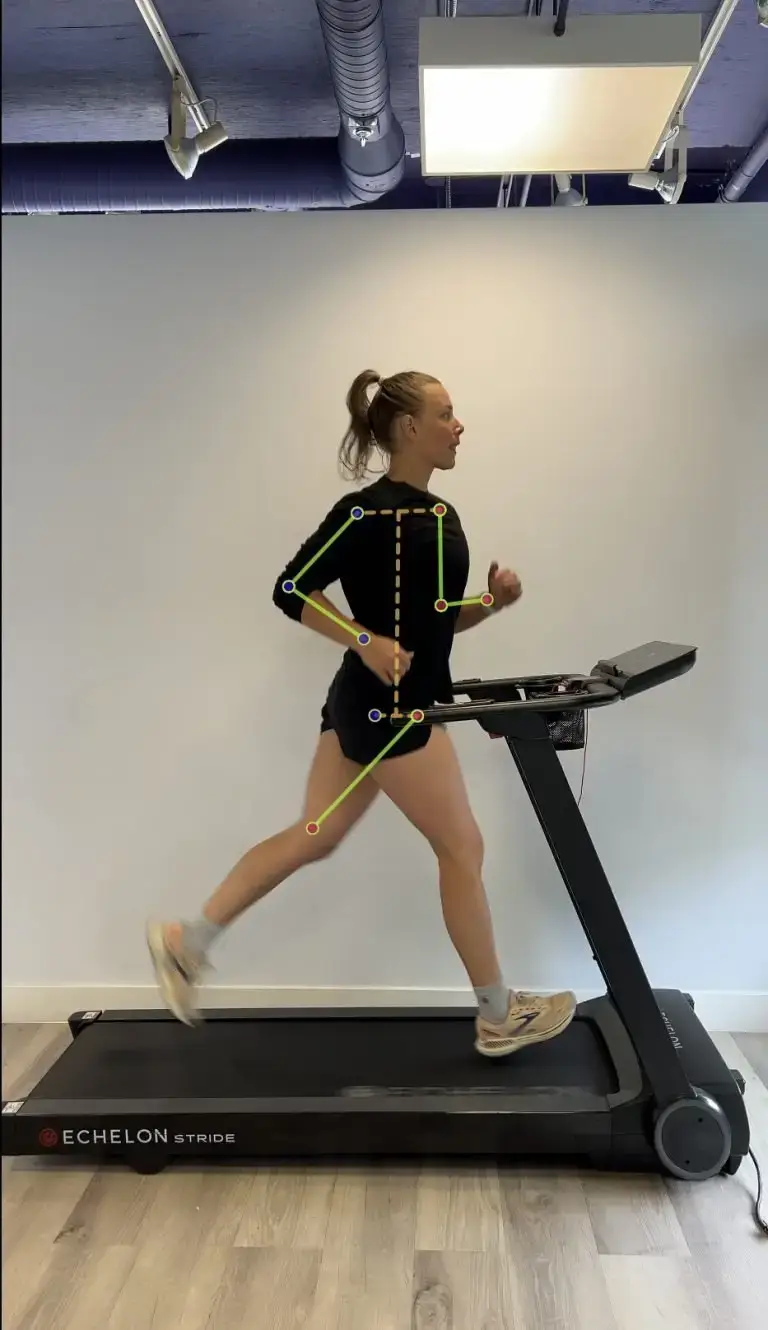
A running assessment helps you understand how you run, what may be contributing to pain or inefficiency, and what to work on next. This blog explains what a running assessment is, what it looks at, and what you can expect to leave with.

If you’re a runner who keeps getting injured despite managing your training volume, you’re not alone. You’ve probably fine-tuned your schedule, avoided sudden jumps in
If you’re a runner who’s ever been injured, you know that an injury can feel like a big setback. The thought of being sidelined for