If you’ve started paying more attention to hydration, you’ve probably come across advice about sweat rate, sodium loss, electrolytes, and “salty sweaters.” These terms often get bundled together, which can make hydration planning more complicated than it needs to be.
Sweat rate and sweat sodium concentration measure different things. One tells you how much you sweat, while the other tells you how much sodium is in that sweat.
You can sweat a lot without having particularly salty sweat. You can also have a high sweat sodium concentration without producing a huge volume of sweat. Understanding the difference helps you make better decisions about fluid and electrolyte intake for long runs, races, and hot-weather training.
What Is Sweat Rate?
Sweat rate is the amount of fluid you lose through sweat over a given period of time, usually expressed in litres per hour.
It can change considerably depending on temperature, humidity, exercise intensity, clothing, fitness, heat acclimatisation, and the type of activity you’re doing. Your sweat rate during a December run in the rain or snow may be very different from your sweat rate during a long run in the July heat.
For that reason, I recommend performing a few sweat-rate tests at different times of year. This gives you a range you can use when planning for different training and race conditions instead of relying on one number year-round.
How to Calculate Your Sweat Rate at Home
You don’t need specialised equipment to get a useful estimate of your sweat rate. You need a scale, a workout of known duration, and an accurate record of any fluid you drink.
Weigh yourself immediately before and after the session under similar conditions, ideally this would be naked because wet clothing can retain sweat and distort the post-run measurement.
Sweat Rate Formula
First, calculate your estimated sweat loss:
Sweat loss = pre-exercise weight – post-exercise weight + fluid consumed
If your session is 60 minutes, that number is also your sweat rate in litres per hour.
A one-hour run makes the calculation straightforward, but if your session needs to be shorter, aim for at least 30 minutes. If your session is shorter than 60 minutes, divide your sweat loss by the number of minutes you exercised, then multiply by 60 to convert it to an hourly rate.
One kilogram of body-weight loss is approximately equivalent to one litre of fluid.
For example:
- Pre-run weight: 65.0kg
- Post-run weight: 64.4kg
- Fluid consumed: 400mL
- Run duration: 60minutes
You lost 0.6kg of body weight and drank 0.4L during the run.
0.6L + 0.4L = approximately 1.0L of sweat
Your estimated sweat rate for that run is therefore 1.0L per hour.
Ideally, choose a session where you don’t need a washroom stop. If you take water with you, use a bottle or flask with precise volume markings so you know how much you actually drank.
What Is Sweat Sodium Concentration?
Sweat sodium concentration describes how much sodium is present in your sweat, usually reported in milligrams per litre.
There is considerable variation between people. One runner may lose relatively little sodium in each litre of sweat while another loses much more, even if they have similar sweat rates.
Your sweat sodium concentration tends to be more stable than your sweat rate, although it isn’t completely fixed. Heat acclimatisation can improve sodium conservation by the sweat glands and reduce sweat sodium concentration.
S sodium concentration gives us an indication of how salty your sweat is. Sweat rate tells us how much sweat you’re producing.
Why Sweat Rate and Sweat Sodium Need to Be Considered Together
Neither number tells the whole story on its own. For example, two runners could both have a sweat sodium concentration of 800mg/L, but very different sweat rates. If one runner sweats 0.5L per hour and the other sweats 1.5L per hour, their estimated sodium losses would be very different.
The first runner would lose about 400mg of sodium per hour, while the second would lose about 1,200mg per hour.
The reverse can also happen. Two runners may both sweat one litre per hour while having very different sweat sodium concentrations. This is why saying “I sweat a lot” doesn’t tell you how much sodium you lose. Sweat sodium concentration makes more sense when it’s considered alongside sweat rate.
Your Sweat Rate Changes With the Conditions
Your sweat sodium concentration tends to stay more consistent, whereas your sweat rate can change substantially depending on the environment and the workout.
A cool easy run, a humid summer long run, and a hard race may produce very different sweat rates. Heat acclimatisation can also increase your ability to sweat as your body becomes better adapted to exercising in hot conditions.
This is why I recommend repeating your sweat-rate calculation in different seasons and training conditions.
Do You Need Electrolytes Every Time You Exercise?
Electrolyte drinks are everywhere right now, and the marketing can make it seem as though plain water has somehow become inadequate for normal life.
For most healthy people, a short indoor strength workout in an air-conditioned gym does not create a large enough sodium loss to require a high-dose electrolyte product. Sitting around the dining table with your family in air conditioning (as is seen is the marketing for a certain brand) is also unlikely to require active electrolyte replacement.
Electrolytes become more relevant as sweat losses accumulate. Long-duration exercise, hot and humid conditions, high sweat rates, high sweat sodium concentrations, and repeated training sessions can all increase the amount of sodium and fluid you lose.
The amount you need really depends on the situation.
How Much Sodium Is in Popular Electrolyte Drinks?
There is a surprisingly large difference between popular products, which is another reason that the word “electrolytes” doesn’t tell you very much by itself.
At the time of writing:
- LMNT provides 1,000 mg of sodium per stick.
- Tailwind Endurance Fuel provides approximately 620 mg of sodium per single-serving packet, along with carbohydrate for endurance fuelling.
- Liquid I.V. Hydration Multiplier provides approximately 500 mg of sodium per stick.
- Skratch Labs Hydration Sport Drink Mix provides 400 mg of sodium per serving, along with carbohydrate.
- Nuun Sport provides 300 mg of sodium per tablet.
These products aren’t interchangeable. Tailwind and Skratch provide carbohydrate as well as electrolytes, so they can contribute to fuelling during longer exercise. Nuun is lower in sodium, while LMNT provides a much larger sodium dose without carbohydrate.
A product containing 1,000 mg of sodium may be entirely appropriate for someone with substantial sodium losses during a long, hot endurance session. That same dose is wildly unnecessary for a low-sweat gym workout.
The label tells you what is in the packet. Your sweat losses help determine whether that amount makes sense for you and the type of workout. It’s important to note though that formulations can change, so always check the current nutrition label when choosing a product.
Do You Need to Replace Every Milligram of Sodium You Lose?
You generally don’t need to match your sodium losses milligram for milligram during every workout.
Your body has sodium stores, and you’ll also consume sodium through normal food and drinks throughout the day. The need for sodium replacement during exercise becomes more relevant as the duration of exercise and total sweat losses increase.
Fluid intake matters as well. Sodium replacement becomes more important during prolonged exercise when you’re drinking significant amounts of fluid, particularly if you also have a high sweat sodium concentration.
For shorter runs in comfortable conditions, water and your usual diet may be perfectly adequate.
What Does This Look Like in Real Life?
The numbers become more valuable when you apply them to the actual session you’re doing.
A 45-Minute Indoor Strength Workout
You’re in an air-conditioned gym and aren’t likely sweating heavily. Water is likely sufficient, and there’s usually little reason to automatically add a high-dose sodium product.
A Cool 60-Minute Easy Run
Your sweat losses may be fairly modest. Depending on your individual sweat rate and what you’ve eaten and drunk during the day, you may not need an electrolyte drink at all.
A Two-Hour Summer Long Run
Now sweat rate starts to matter much more. If you’re losing a litre or more per hour, your total sweat and sodium losses can accumulate quickly. Knowing both your sweat rate and sweat sodium concentration can help you choose a drink and sodium dose that better match the session.
A Marathon in Warm Weather
Duration, pace, environmental conditions, aid-station access, fluid intake, sweat rate, and sweat sodium concentration all come into play. This is where a hydration plan based on your own data gives you a stronger starting point than following the number on an electrolyte packet.
What About Salt Stains on Your Clothes?
White salt marks on your hat, clothing, or skin can suggest that you’re losing a fair amount of sodium in your sweat, but they cannot tell you your actual sweat sodium concentration.
A runner with moderate sweat sodium concentration and a very high sweat rate may still leave plenty of visible salt behind. Weather, clothing, evaporation, and how much sweat dries on the fabric also influence what you see.
Does Sodium Prevent Muscle Cramps?
Muscle cramps are another common reason runners reach for electrolytes.
Exercise-associated muscle cramps are complex, and fatigue appears to play an important role. Sodium and fluid losses may contribute in some situations, particularly during prolonged exercise with substantial sweat losses, but adding more sodium is not a universal solution.
If you repeatedly cramp late in long races, it’s worth considering pacing, conditioning, fatigue, heat, fluid intake, sodium loss, and fuelling together.
Key Takeaways
- Sweat rate tells you how much you sweat over time.
- Sweat sodium concentration tells you how much sodium is present in each litre of sweat.
- A high sweat rate does not automatically mean you have a high sweat sodium concentration.
- Sweat rate can change considerably with season, temperature, humidity, intensity, and heat acclimatisation.
- Testing your sweat rate under several different conditions gives you a range for different training and race environments.
- Popular electrolyte products vary widely in sodium content, from around 300mg to 1,000mg per serving.
- More sodium is not automatically better. Your needs depend on your sweat losses, exercise duration, environment, and overall hydration strategy.
- Electrolytes can make more sense during longer or hotter sessions, while many shorter or low-sweat workouts require little more than water and your normal diet.
Build a Hydration Plan Around Your Own Sweat Losses
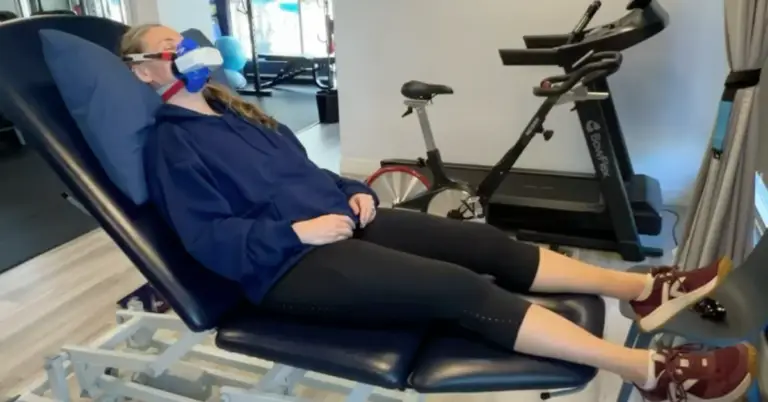
If you’re preparing for a marathon, ultra, triathlon, or other long endurance event and want to understand how much sodium you actually lose, sweat sodium testing can help take some of the guesswork out of your hydration plan.
I offer sweat sodium testing in Port Moody, BC, which measures your individual sweat sodium concentration and combines it with your sweat-rate information to guide your fluid and sodium strategy.Learn more about sweat sodium testing here
Frequently Asked Questions About Sweat Rate and Sweat Sodium
Sweat rate measures how much you sweat over time. Sweat sodium concentration measures how much sodium is present in each litre of sweat. Considering both helps estimate your total sodium losses during exercise.
Weigh yourself naked immediately before and after exercise, then add any fluid you consumed during the session. If the session was 60minutes, that total is your sweat rate in litres per hour. If the session was shorter than 60minutes, divide your sweat loss by the number of minutes you exercised and multiply by 60.
Yes. Temperature, humidity, exercise intensity, clothing, and heat acclimatisation can all affect how much you sweat. This is why it makes sense to test your sweat rate in more than one season or training condition.
Sweat sodium concentration tends to be more stable than sweat rate, but it can change. Heat acclimatisation can improve sodium conservation and lower the concentration of sodium in sweat. You may also see a change if you have a significant change in body composition, or move to a much hotter climate.
No. Electrolytes become more relevant during longer sessions, hot-weather exercise, and when sweat and sodium losses are high. Many shorter or low-sweat sessions can be adequately supported with water and a normal diet.
Among the common products discussed here, LMNT currently contains the most sodium per standard serving at 1,000 mg. That does not make it the best choice for every workout. The appropriate amount depends on your individual losses and the demands of the session.
References
Baker L. B. (2017). Sweating Rate and Sweat Sodium Concentration in Athletes: A Review of Methodology and Intra/Interindividual Variability. Sports medicine (Auckland, N.Z.), 47(Suppl 1), 111–128. https://doi.org/10.1007/s40279-017-0691-5
Barnes, K. A., Anderson, M. L., Stofan, J. R., Dalrymple, K. J., Reimel, A. J., Roberts, T. J., Randell, R. K., Ungaro, C. T., & Baker, L. B. (2019). Normative data for sweating rate, sweat sodium concentration, and sweat sodium loss in athletes: An update and analysis by sport. Journal of sports sciences, 37(20), 2356–2366. https://doi.org/10.1080/02640414.2019.1633159
McCubbin A. J. (2023). Modelling sodium requirements of athletes across a variety of exercise scenarios – Identifying when to test and target, or season to taste. European journal of sport science, 23(6), 992–1000. https://doi.org/10.1080/17461391.2022.2083526
McDermott, B. P., Anderson, S. A., Armstrong, L. E., Casa, D. J., Cheuvront, S. N., Cooper, L., Kenney, W. L., O’Connor, F. G., & Roberts, W. O. (2017). National Athletic Trainers’ Association Position Statement: Fluid Replacement for the Physically Active. Journal of athletic training, 52(9), 877–895. https://doi.org/10.4085/1062-6050-52.9.02