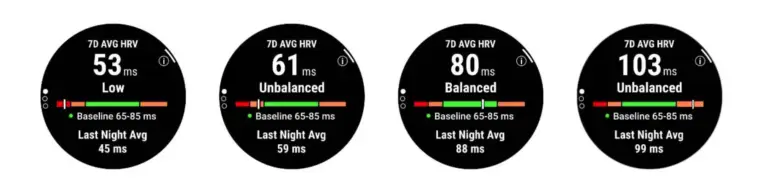
HRV for Runners: What It Can and Can’t Tell You About Recovery
HRV can change with training, sleep, illness, alcohol, and stress. Learn how to interpret your own HRV trends and decide when recovery data deserves attention.

HRV can change with training, sleep, illness, alcohol, and stress. Learn how to interpret your own HRV trends and decide when recovery data deserves attention.
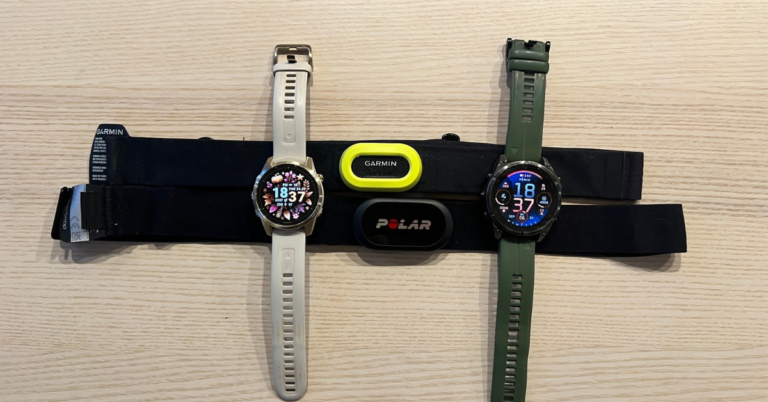
Chest strap vs wrist heart rate monitor for running: learn which is more accurate, why wrist readings can be wrong, and when a chest strap is worth using.
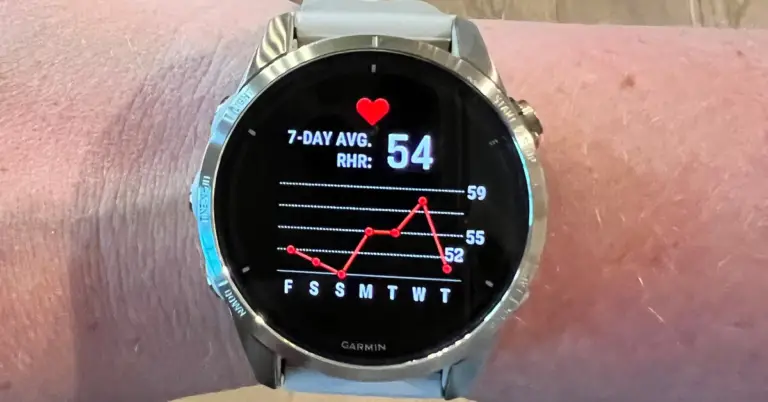
Resting heart rate can change with training, sleep, illness, stress, hydration and alcohol. Learn what’s common for runners and how to interpret changes in your usual range.

Maximum heart rate for runners often gets reduced to one very familiar equation: 220 minus your age. If you’re 40, that gives you an estimated

Heart-rate data can help guide your running, but only if you know what the numbers mean. Learn the basics of resting HR, maximum HR, training zones, HRV and heart-rate monitors, plus when your data deserves a closer look.

Learn how to use the RPE scale for running, what easy, steady and hard efforts should feel like, and when RPE can help you interpret heart rate and pace.

Running in the heat can send your heart rate higher than expected, even at an easy pace. Learn why cardiovascular drift happens and how to adjust your training safely.

Recovery runs are supposed to help you absorb training, not add hidden fatigue. Learn how to find your recovery run pace, avoid common mistakes, and use VO2 max testing to set more accurate zones.

Your running watch is a helpful tool, but its heart rate zones may not be as personal as they look. Here’s why estimated zones can mislead your training, and how VO₂ max testing can give you a more accurate heart rate zone prescription.